 Mexican Media Brands
Honda Pursues a Better Environment
While executives generally talk about planning horizons of a quarter of two, listen to Steve Center, vice president, Connected and Environmental Business Development for American Honda: “In the next 1,000 years, we need an environment that is hospitable.” And it seems that so far as Honda is concerned, there is no better time to start dealing with this long future than right now, so Honda is undertaking a program that is predicated on reducing emissions from its vehicles, as well as from its manufacturing operations.
#electronics
.jpg;width=70;height=70;mode=crop)
Share


While executives generally talk about planning horizons of a quarter of two, listen to Steve Center, vice president, Connected and Environmental Business Development for American Honda: “In the next 1,000 years, we need an environment that is hospitable.” And it seems that so far as Honda is concerned, there is no better time to start dealing with this long future than right now, so Honda is undertaking a program that is predicated on reducing emissions from its vehicles, as well as from its manufacturing operations. And even its dealerships.
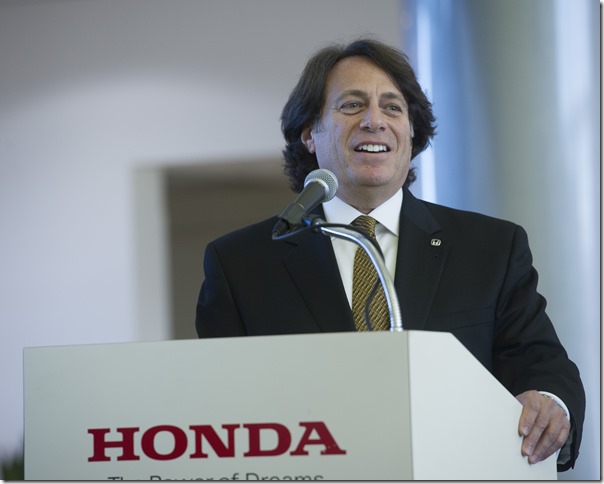
Yes, Honda, like other companies, has plans for 2030 and 2050. It probably doesn’t have plans for 3018.
When asked at the CAR Management Briefing Seminars about the effect of government policies on changes to the electrified portfolio that it is working toward developing (it intends for electrified vehicles to comprise two-thirds of its global automobile sales by 2030), Center says that there is unlikely to be any pause in their pursuit: “This is a commitment that Honda has made to society.”
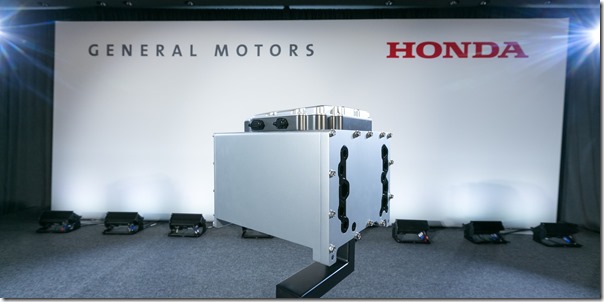
This commitment even takes the form of working with companies that it competes against in the market. For example, it is working with Toyota (and Shell) on building hydrogen refueling stations in northern California. It is collaborating with General Motors on advanced chemistry battery components (cell and module) that will result in batteries with higher energy density, smaller packaging, and quicker recharging times; it has also formed with GM Fuel Cell System Manufacturing LLC, which will produce a next-generation fuel cell in a plant in Brownstown, Michigan.
Center suggests that right now there are some automotive leaders in electrifying their fleets going forward and some that are lagging, and that those in the last group may slow down should regulations change.
The likelihood that Honda won’t even pause.
RELATED CONTENT
-
Things to Know About Cam Grinding
By James Gaffney, Product Engineer, Precision Grinding and Patrick D. Redington, Manager, Precision Grinding Business Unit, Norton Company (Worcester, MA)
-
on lots of electric trucks. . .Grand Highlander. . .atomically analyzing additive. . .geometric designs. . .Dodge Hornet. . .
EVs slowdown. . .Ram’s latest in electricity. . .the Grand Highlander is. . .additive at the atomic level. . .advanced—and retro—designs. . .the Dodge Hornet. . .Rimac in reverse. . .
-
On Electric Pickups, Flying Taxis, and Auto Industry Transformation
Ford goes for vertical integration, DENSO and Honeywell take to the skies, how suppliers feel about their customers, how vehicle customers feel about shopping, and insights from a software exec