 Mexican Media Brands
Lambo Embraces Carbon (The Company, not the Element)
“Through our extensive procurement research, we found that many of our vehicle components were ideal candidates for digital manufacturing,” said Stefan Gramse, chief procurement officer of Automobili Lamborghini S.p.A. “Digital manufacturing” as in additive.
.jpg;width=70;height=70;mode=crop)
Share


“Through our extensive procurement research, we found that many of our vehicle components were ideal candidates for digital manufacturing,” said Stefan Gramse, chief procurement officer of Automobili Lamborghini S.p.A.
“Digital manufacturing” as in additive.
So Lambo is working with Carbon, the producer of systems that produce parts out of materials like its Epoxy 82 though the use of light and oxygen, a process that Carbon calls “Digital Light Synthesis.”
.jpg "Urus")
The Italian premium vehicle manufacturer is using Carbon technology to produce production parts for the Urus SUV, including a textured fuel cap and an air duct clip.
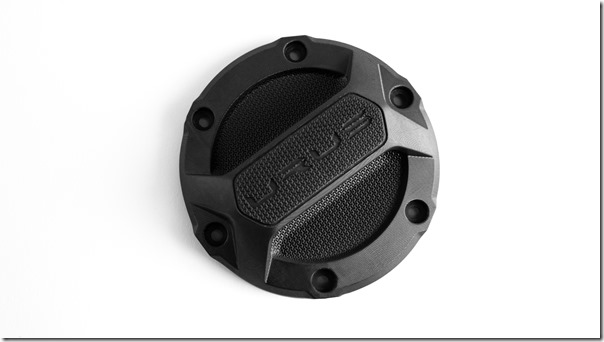
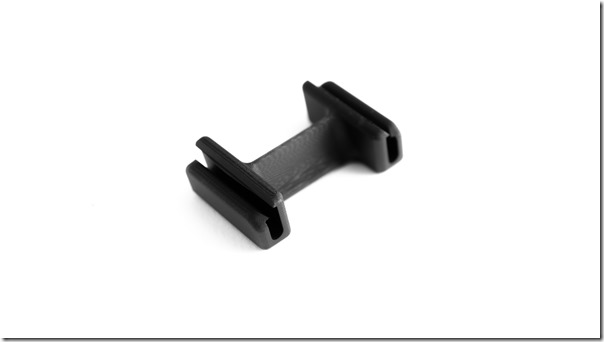
According to Gramse, “By partnering with Carbon, we are designing on the means of production, which allows us to produce more durable products smarter, faster, and more efficiently, while also substantially accelerating our time to market.”
Lamborghini engineers, working with colleagues from the Volkswagen Electronic Research Lab (Lambo is one of the companies in the VW Group), are redesigning parts, including interior and accessories, so as to make them suitable for production with the Carbon equipment.
Dr. Joseph DeSimone, CEO and co-founder of Carbon, said, “The automotive industry shows significant promise for using digital fabrication for production at scale, and our partnership with Lamborghini is a perfect example of the kind of innovation you can achieve when you fuse design, manufacturability and engineering all into one.”
Of course, there is “scale” and then there is “scale.”
Last year Lamborghini set a global sales record: 5,750 vehicles. (Of which 1,761 were Urus models.)
Still, it is a move in the right direction.
RELATED CONTENT
-
Mustang Changes for 2018
On Tuesday Ford unveiled—using the social media channels of actor Dwayne Johnson (this has got to unnerve some of the auto buff book editors)—the 2018 Mustang, which has undergone some modifications: under the hood (the 3.7-liter V6 is giving way to a 2.3-liter EcoBoost four, and a 10-speed automatic is available), on the dash (a 12-inch, all-digital LCD screen is available for the dashboard), at the tires (12 wheel choices), on the chassis (MagneRide damper technology is being offered with the Mustang Performance Package), and on the exterior (three new paint colors). And while on the subject of the exterior, there are some notable changes—a lower, remodeled hood, repositioned hood vents, new upper and lower front grilles, LED front lights, revised LED taillamps, new rear bumper and fascia.
-
Engineering the 2019 Jeep Cherokee
The Jeep Cherokee, which was launched in its current manifestation as a model year 2014 vehicle, and which has just undergone a major refresh for MY 2019, is nothing if not a solid success.
-
Increasing Use of Structural Adhesives in Automotive
Can you glue a car together? Frank Billotto of DuPont Transportation & Industrial discusses the major role structural adhesives can play in vehicle assembly.