 Mexican Media Brands
Polymer Passes the Sniff Test—and Then Some
Remember that “new car” smell?
.jpg;width=70;height=70;mode=crop)
Share


Remember that “new car” smell?
Well, remembering may be all there is to it because according to polymer provider PolyOne, there is an increasing number of consumers who associate that smell with things like volatile organic compounds (VOCs) and so aren’t particularly keen on climbing into their brand-new vehicle and think that they’re being exposed to something that’s not good.
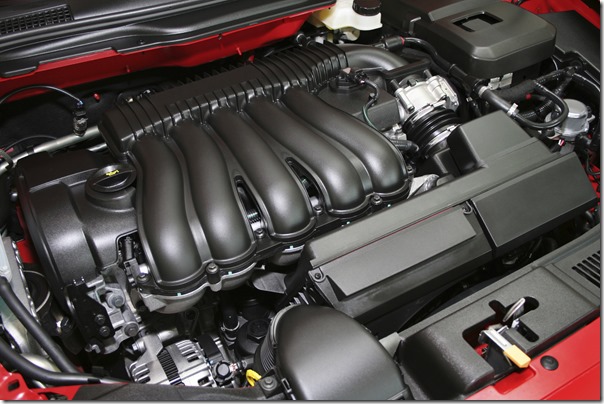
So to address this, in part, PolyOne has developed a low-odor, talc-filled polypropylene that’s is engineered for underhood HVAC applications such that it can help OEMs meet vehicle interior air quality (VIAQ) standards, as in achieving odor testing results of 3.0 per VDA 270 (which, in case you’re wondering: “The test is intended for the evaluation of the odour behaviour under the influence of temperature and climate. The test will be performed on materials and parts of the automotive interior and on parts in contact with the supply air to the interior,” according to Verband der Automobilindustrie).
Named Maxxam LO, the material reduces odors while maintaining its performance and aesthetic characteristics.
Perhaps the only thing people will be smelling in cars is something like this:

Little Trees air freshener
RELATED CONTENT
-
On Charging, Sustainable Tires, the Lincoln Nautilus and more
Charging at home, driving on plastic, cameras for exterior, Fisker and Foxconn, and the Lincoln Nautilus reviewed
-
TPE Checks the Boxes
Plastics supplier KRAIBURG has developed a thermoplastic elastomer lineup—the VS/AD/HM series within the THERMOLAST K suite—that checks the boxes of scratch and abrasion resistance, chemical compatibility and UV stability.
-
Increasing Use of Structural Adhesives in Automotive
Can you glue a car together? Frank Billotto of DuPont Transportation & Industrial discusses the major role structural adhesives can play in vehicle assembly.